
Bon Appétit: The Complete Guide to Meaning, Usage & Cultural Significance 🍽️ 2025
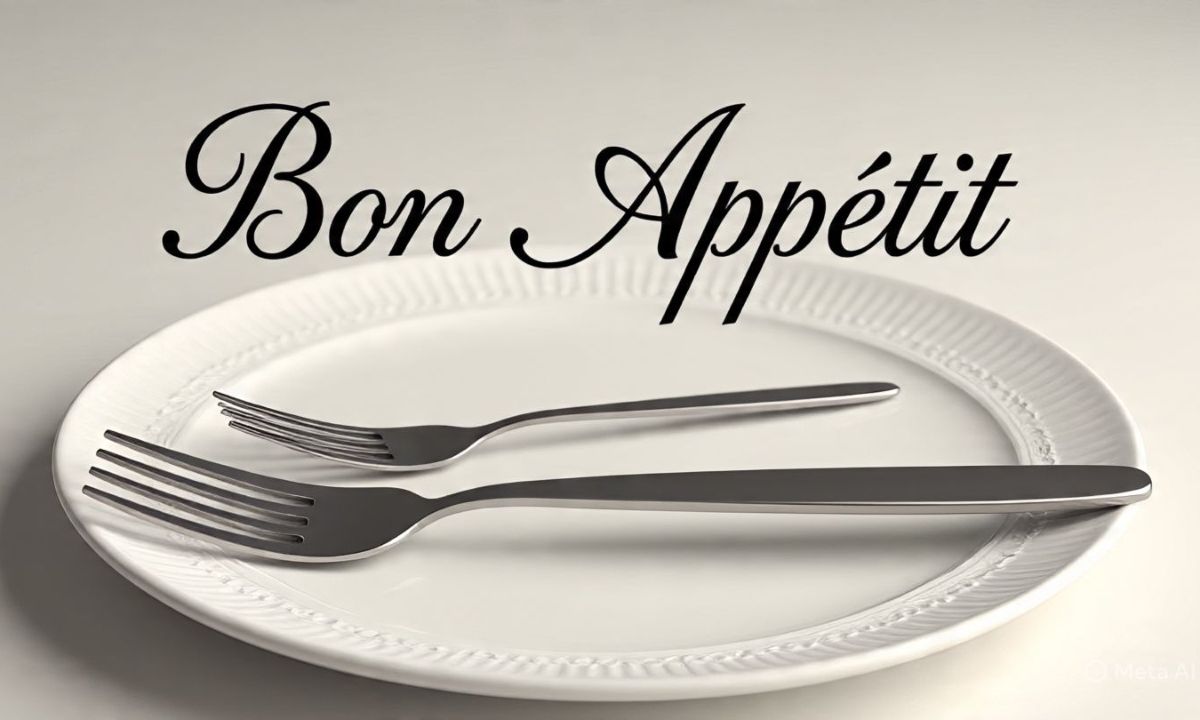
In the world of culinary expressions, few phrases carry as much elegance and universal recognition as “Bon Appétit.” This charming French expression has transcended linguistic boundaries to become a beloved way of wishing someone an enjoyable meal across cultures worldwide.
Whether you’re dining at a Michelin-starred restaurant in Paris or enjoying a home-cooked meal with family, understanding the depth and proper usage of this phrase can enhance your dining experiences and cultural awareness.
🔍 What Does Bon Appétit Mean?
At its core, “Bon Appétit” is a French expression that literally translates to “Good Appetite” in English. However, like many linguistic expressions that cross cultural boundaries, its meaning extends far beyond a simple word-for-word translation. The phrase serves as a warm, polite way to wish someone an enjoyable and satisfying meal experience.
When someone says “Bon Appétit,” they’re essentially conveying the sentiment “I hope you thoroughly enjoy your food and have a wonderful dining experience.” It’s a gesture of goodwill, hospitality, and appreciation for the act of sharing a meal together.
👉 Pronunciation Guide
The correct pronunciation of “Bon Appétit” is:
- Bon = “bohn” (rhymes with “gone” but with a softer ‘n’)
- Appétit = “ah-peh-TEE” (with emphasis on the final syllable)
- Full phrase: “bohn ah-peh-TEE”
For English speakers, it’s important to note that the ‘t’ at the end is pronounced, unlike many French words where final consonants are silent. The accent on the ‘é’ indicates it should be pronounced as a clear “ay” sound.
🇫🇷 Origin and Cultural Significance
Historical Roots
The phrase “Bon Appétit” emerges from France’s rich culinary tradition, which dates back centuries and has profoundly influenced global dining culture. In French society, meals have always been more than mere sustenance—they represent social bonds, cultural identity, and artistic expression.
The concept of wishing someone a good appetite reflects the French philosophy toward food and dining. In traditional French culture, meals are sacred times when families and friends gather to share not just food, but stories, experiences, and human connection. The phrase embodies this reverence for the dining experience.
Cultural Context in France
In France, saying “Bon Appétit” is deeply ingrained in social etiquette. It demonstrates:
- Respect for the meal: Acknowledging the effort that went into preparing the food
- Social courtesy: Showing consideration for fellow diners
- Cultural continuity: Maintaining traditions passed down through generations
- Mindful eating: Encouraging a conscious approach to the dining experience
French dining culture emphasizes the concept of “savoir-vivre” (knowing how to live), and proper meal etiquette is considered essential to this way of life. The phrase serves as a bridge between the preparation and enjoyment of food, marking the transition from anticipation to fulfillment.
Philosophical Underpinnings
The French approach to dining, embodied in expressions like “Bon Appétit,” reflects deeper philosophical beliefs about the relationship between food, pleasure, and human connection. This philosophy includes:
- Hedonistic appreciation: Believing that pleasure in eating is not only acceptable but desirable
- Communal bonding: Understanding that shared meals strengthen social ties
- Aesthetic appreciation: Recognizing food as both nourishment and art
- Temporal mindfulness: Taking time to properly appreciate the dining experience
🍽️ Is Bon Appétit Used in English Too?


Absolutely. “Bon Appétit” has become a naturalized expression in English-speaking countries, demonstrating the global influence of French culinary culture. This adoption reflects several cultural phenomena:
Contexts Where It’s Commonly Used
Fine Dining Establishments: High-end restaurants often use the phrase to add sophistication and international flair to the dining experience. Servers may say it when presenting dishes, and it appears frequently on menus and restaurant marketing materials.
Cooking Shows and Media: Television chefs, food bloggers, and culinary influencers regularly use “Bon Appétit” as a signature sign-off. Famous personalities like Julia Child popularized its use in American media, making it a recognizable part of food culture.
Social Media and Food Photography: The hashtag #BonAppétit has millions of posts on Instagram, Facebook, and other platforms. Food photographers and home cooks use it to wish their followers enjoyable meals when sharing recipes or food photos.
Dinner Parties and Social Gatherings: Hosts often use the phrase when serving guests, as it adds an element of ceremony and sophistication to the occasion.
Educational Cooking Content: Cooking schools, recipe websites, and instructional videos frequently incorporate the phrase to create an authentic culinary atmosphere.
Why English Speakers Embrace It
The adoption of “Bon Appétit” in English-speaking cultures reflects several appealing qualities:
- Sophistication: Using a French phrase adds an air of culinary sophistication
- Warmth: The expression conveys genuine care for others’ dining pleasure
- Cultural connection: It links diners to the rich tradition of French gastronomy
- Universality: Food is a universal language, making the phrase accessible across cultures
🧠 When and How to Use Bon Appétit?
Understanding the appropriate timing and context for using “Bon Appétit” ensures you employ it effectively and authentically.
Perfect Timing
The ideal moment to say “Bon Appétit” is immediately before people begin eating. This timing serves several purposes:
- Ceremonial marker: It signals the official beginning of the meal
- Attention gathering: It ensures everyone is present and ready to eat together
- Gratitude expression: It acknowledges the food and those who prepared it
- Social cohesion: It creates a shared moment of anticipation
✅ Appropriate Situations
| Situation | Example Usage | Context Notes |
| Hosting a dinner party | “Everyone, please find your seats. Bon Appétit!” | Creates ceremonial atmosphere |
| Restaurant service | “Here’s your coq au vin. Bon Appétit!” | Professional hospitality |
| Family meals | “Mom’s made her famous lasagna. Bon Appétit, family!” | Adds warmth to home dining |
| Cooking videos | “Try this recipe at home, and bon appétit!” | Creates connection with audience |
| Workplace lunch | “Let’s take a break and enjoy lunch. Bon Appétit, everyone!” | Professional yet friendly |
| Food delivery | Text message: “Your order has arrived. Bon Appétit!” | Modern digital courtesy |
| Potluck gatherings | “Thank you all for bringing dishes. Bon Appétit!” | Acknowledges collective effort |
❌ When NOT to Use It
Understanding when to avoid “Bon Appétit” is equally important:
- Before food is served: Never say it while people are still waiting for their meals
- During casual snacking: It’s too formal for grabbing a quick snack or eating on-the-go
- When eating alone informally: While you can say it to yourself, it’s unnecessary for casual solo dining
- Before drinks only: The phrase is specifically for meals, not just beverages
- After people have already started eating: The moment has passed once dining has begun
🤔 Is It Rude Not to Say Bon Appétit?
The answer depends largely on cultural context and setting formality.
In French Culture
In traditional French dining settings, omitting “Bon Appétit” might be noticed, especially in formal or family contexts. However, it’s rarely considered genuinely offensive. The absence might be perceived as:
- Slightly cold or inattentive
- Missing an opportunity for social connection
- Overlooking dining etiquette
In English-Speaking Cultures
In English-speaking countries, not saying “Bon Appétit” is perfectly acceptable. Alternative expressions or even silence are socially acceptable. The phrase is viewed as:
- A nice touch rather than an obligation
- An optional way to add warmth to the dining experience
- A personal choice based on the host’s or server’s style
Middle Ground Approach
For those uncertain about usage, remember that genuine warmth matters more than specific phrases. Saying “Enjoy your meal,” “Let’s eat,” or simply expressing gratitude for the food accomplishes similar social goals.
🌍 Bon Appétit Meaning in Different Languages
The concept of wishing someone an enjoyable meal exists across virtually all cultures, though expressions vary significantly:
European Languages
| Language | Phrase | Literal Translation | Cultural Notes |
| French | Bon Appétit | Good appetite | Original and most internationally recognized |
| Italian | Buon Appetito | Good appetite | Very similar to French version |
| Spanish | Buen Provecho | Good benefit/advantage | Implies getting good nourishment |
| German | Guten Appetit | Good appetite | Direct translation approach |
| Portuguese | Bom Apetite | Good appetite | Close to French pronunciation |
| Dutch | Smakelijk Eten | Tasty eating | Focuses on flavor enjoyment |
Asian Languages
| Language | Phrase | Meaning | Cultural Context |
| Japanese | いただきます (Itadakimasu) | I humbly receive | Expresses gratitude to all who made the meal possible |
| Korean | 잘 먹겠습니다 (Jal meokgesseumnida) | I will eat well | Formal expression of intention to enjoy the meal |
| Chinese (Mandarin) | 用餐愉快 (Yòng cān yú kuài) | Pleasant dining | Wishes for an enjoyable dining experience |
| Hindi | भोजन का आनंद लें (Bhojan ka aanand len) | Enjoy your food | Direct wish for meal enjoyment |
Middle Eastern and African Languages
| Language | Phrase | Translation | Cultural Significance |
| Arabic | بالهناء والشفاء (Bil hana wa shifa) | With joy and healing | Wishes both pleasure and health |
| Hebrew | בתיאבון (Be-te’avon) | With appetite | Simple, direct expression |
| Swahili | Furahia chakula chako | Enjoy your food | Common in East African cultures |
💬 Other English Alternatives to Bon Appétit

English offers numerous alternatives that can match different social contexts and personal styles:
Casual Alternatives
- “Enjoy your meal!” – Direct and universally understood
- “Dig in!” – Informal and enthusiastic
- “Let’s eat!” – Perfect for family settings
- “Chow time!” – Playful and relaxed
- “Tuck in!” (British) – Distinctly British casual expression
- “Food’s ready!” – Simple announcement-style
Formal Alternatives
- “Please enjoy your dining experience” – Professional restaurant language
- “Wishing you a delightful meal” – Elegant and sophisticated
- “May you enjoy every bite” – Thoughtful and personal
- “Your meal is served” – Classic, formal presentation
- “I hope you find everything to your satisfaction” – Professional service language
Creative Alternatives
- “Let the feast begin!” – Dramatic and fun
- “Time to indulge!” – Implies special or luxurious food
- “Savor every moment!” – Encourages mindful eating
- “Happy eating!” – Simple and cheerful
- “Food for the soul awaits!” – Philosophical and warm
🧑🍳 Is It Okay to Say Bon Appétit at Home?
Absolutely! Using “Bon Appétit” in home settings offers numerous benefits:
Benefits for Family Dining
Creates Ritual and Ceremony: Regular use of the phrase transforms ordinary family meals into special occasions. Children learn to appreciate the moment of coming together around food.
Encourages Mindful Eating: Saying “Bon Appétit” creates a natural pause that helps family members transition from their daily activities to focused meal time.
Cultural Education: Families can use it as an opportunity to discuss different cultures and their food traditions.
Builds Gratitude: The phrase naturally leads to appreciation for the food, the cook, and the family time.
Solo Dining Applications
Even when eating alone, “Bon Appétit” can:
- Enhance self-care: Treating yourself with the same courtesy you’d show guests
- Create mindful moments: Pausing to appreciate your meal, even when alone
- Build positive eating habits: Establishing respectful relationships with food
- Practice cultural expressions: Maintaining language skills and cultural connections
Home Entertaining
When hosting guests at home, “Bon Appétit” serves as:
- Hospitality marker: Demonstrates attention to guest comfort
- Conversation starter: Can lead to discussions about food, culture, or travel
- Memory maker: Guests often remember thoughtful touches like proper meal wishes
- Confidence builder: Using sophisticated expressions can boost host confidence
⚠️ Fun Fact: The Bon Appétit Controversy
An interesting cultural debate emerged in 2019 when some French etiquette experts suggested that saying “Bon Appétit” might be considered gauche in extremely formal dining situations. Their reasoning included:
The Arguments Against
Over-attention to bodily functions: Critics argued that wishing someone a good appetite draws attention to biological needs, which ultra-formal etiquette traditionally avoids discussing.
Redundancy: The argument suggested that if food is properly prepared and presented, the enjoyment should be obvious without verbal confirmation.
Regional variations: Some regions of France historically used different expressions or none at all in very formal settings.
The Counterarguments
Cultural tradition: Defenders pointed out that the phrase represents centuries of French hospitality tradition.
Intent matters: The expression demonstrates care and consideration for others’ well-being.
Modern relevance: Contemporary dining culture values warmth and connection over rigid formality.
Resolution
The controversy largely settled with most cultural experts agreeing that context determines appropriateness. In everyday situations—from casual to moderately formal—”Bon Appétit” remains perfectly acceptable and appreciated.
❤️ Why Saying Bon Appétit Matters
The significance of “Bon Appétit” extends far beyond simple politeness:
Psychological Benefits
Creates positive meal associations: Regular use of pleasant meal rituals can improve relationships with food and eating.
Builds social bonds: Shared expressions create group identity and belonging.
Enhances mindfulness: The pause before eating encourages present-moment awareness.
Reduces eating anxiety: Positive meal rituals can help people with eating-related stress.
Social Functions
Demonstrates cultural awareness: Shows appreciation for international traditions.
Creates inclusive environments: Helps guests feel welcomed and considered.
Establishes host identity: Marks the speaker as thoughtful and culturally aware.
Facilitates conversation: Often leads to discussions about food, culture, or experiences.
Cultural Preservation
Maintains traditions: Keeps cultural expressions alive across generations.
Promotes cultural exchange: Introduces people to different cultural practices.
Educational value: Provides opportunities to learn about other cultures.
Global citizenship: Demonstrates respect for international customs.
📌 Quick Reference Guide
Essential Information
| Aspect | Details |
| Language | French |
| Pronunciation | bohn ah-peh-TEE |
| Literal meaning | Good appetite |
| Functional meaning | Enjoy your meal |
| Best timing | Immediately before eating begins |
| Cultural origin | French dining tradition |
| Global usage | Widely accepted internationally |
| Formality level | Appropriate for casual to formal settings |
Usage Checklist
✅ Do use when:
- Food is served and ready to eat
- You want to add warmth to the dining experience
- Hosting or serving others
- Creating ceremony around meals
- Speaking to food enthusiasts
- In restaurant or hospitality contexts
❌ Avoid when:
- Food isn’t ready yet
- People have already started eating
- The setting is extremely casual (like grabbing a quick snack)
- You’re uncomfortable with the pronunciation
- The cultural context doesn’t fit
🙋♀️ Frequently Asked Questions
1. What language is Bon Appétit from?
“Bon Appétit” originates from French, where it has been used for centuries as part of dining etiquette and hospitality culture. While it’s French in origin, the phrase has been adopted globally and is understood across many cultures.
2. Is it rude to say Bon Appétit in English-speaking settings?
Not at all. In fact, it’s generally appreciated as a thoughtful touch that adds warmth and sophistication to dining experiences. Most English speakers recognize and welcome the phrase.
3. Can I use Bon Appétit in text messages or social media?
Absolutely! It’s perfectly appropriate for:
- Food photos on Instagram or Facebook
- Text messages when sharing recipes
- Food delivery notifications
- Meal invitation messages
- Food blog posts and captions
4. Is Bon Appétit only for restaurants?
No, you can use it anywhere food is shared:
- Family dinners at home
- Workplace lunch breaks
- Picnics and outdoor dining
- Potluck gatherings
- Virtual dinner parties
- Food delivery situations
5. What’s a fun, creative way to say Bon Appétit?
Try these playful alternatives:
- “Let the culinary adventure begin!”
- “Time to make your taste buds happy!”
- “May your forks be ever full!”
- “Ready, set, feast!”
- “Let’s turn this meal into a celebration!”
6. Should I say it if I can’t pronounce it correctly?
Don’t worry about perfect pronunciation. The intent and warmth behind the expression matter more than perfect French pronunciation. If you’re concerned, any of the English alternatives work just as well.
7. Can children use Bon Appétit?
Definitely! Teaching children to use “Bon Appétit” or similar meal wishes:
- Builds good manners
- Introduces cultural awareness
- Creates positive meal associations
- Establishes family traditions
- Encourages gratitude and mindfulness
🍷 Final Thoughts: The Enduring Power of Two Simple Words
In our fast-paced world where meals are often rushed and eaten in isolation, “Bon Appétit” serves as a gentle reminder to pause, connect, and appreciate the simple pleasure of nourishing ourselves and others. These two French words carry within them centuries of cultural wisdom about the importance of treating meals as more than mere fuel—they’re opportunities for connection, gratitude, and joy.
Whether you’re a professional chef, a home cook, a restaurant server, or simply someone who appreciates good food and warm human connections, incorporating “Bon Appétit” into your dining vocabulary can enhance your relationship with food and with others. It costs nothing to say, takes only seconds to express, yet can transform an ordinary meal into a moment of shared humanity.