The Complete Guide to Whiskey Neat: Mastering the Art of Pure Whiskey Appreciation
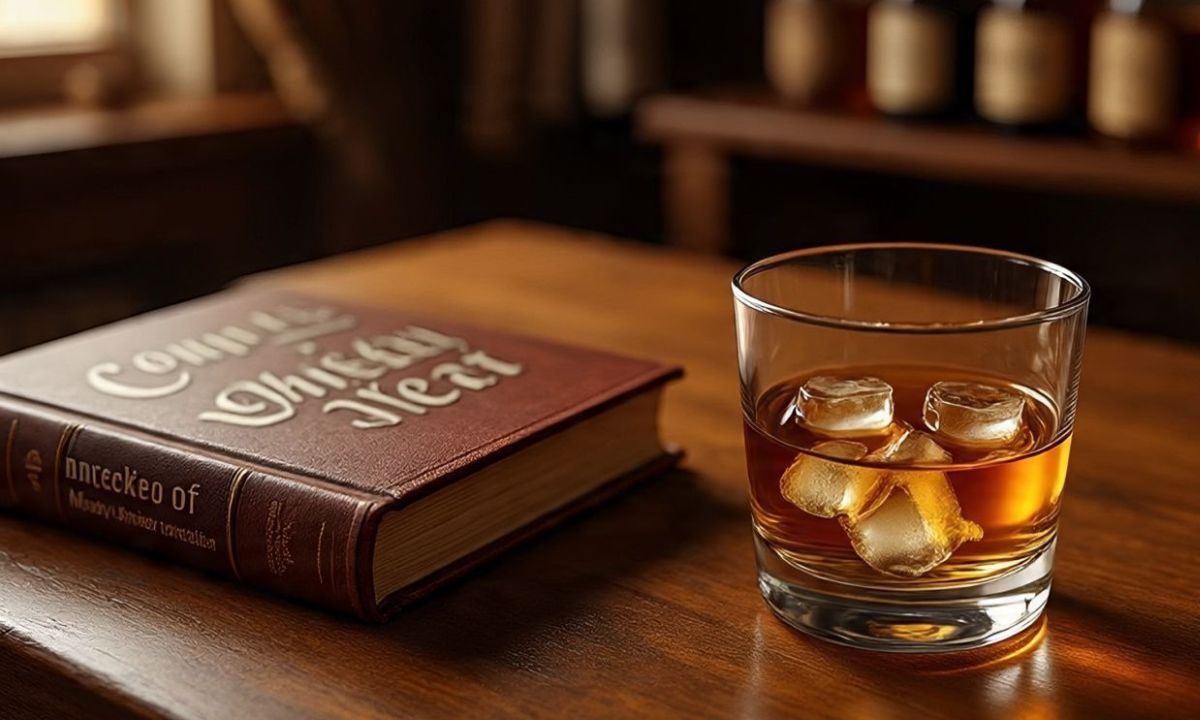
Drinking whiskey neat—served at room temperature without ice, water, or mixers—is considered by many connoisseurs the purest way to experience the spirit. When enjoyed neat, whiskey reveals its full profile, including its aroma, flavor complexity, texture, and finish. This method allows the drinker to appreciate the craftsmanship behind the whiskey, from the distillation process to the aging in oak barrels.
Mastering the art of drinking whiskey neat also involves understanding how to taste it properly. Unlike casual drinking, this is a mindful process that includes observing the color, inhaling the nose, sipping slowly, and analyzing the finish. It’s not about taking shots; it’s about savoring.
What Does Whiskey Neat Mean?
When you order whiskey neat, you’re requesting the spirit in its purest form—straight from the bottle into your glass with absolutely no additions. No ice, no water, no mixers, no garnishes. Just whiskey at room temperature, allowing you to experience exactly what the distiller intended.
The fundamental characteristics of neat whiskey include:
- Undiluted purity: Every drop maintains its original alcohol content and flavor profile
- Room temperature serving: Typically between 60-68°F (15-20°C), which optimizes aromatic compounds
- Minimal glassware interference: Served in appropriate whiskey glasses that enhance rather than mask the experience
- Full strength presentation: You taste the whiskey at its bottled proof without any dilution
This serving method represents the most traditional and authentic way to consume whiskey, dating back centuries to when spirits were primarily consumed straight from barrels or bottles without modern bar techniques or ice readily available.
Origins and Cultural Context of “Neat”
Etymology and Historical Development
The term “neat” derives from the Old English word meaning “pure” or “undiluted.” This linguistic origin perfectly captures the essence of serving spirits without any modifications. The concept predates modern bartending by centuries, rooted in practical necessity rather than sophisticated preference.
How it evolved in drinking culture:
Medieval Period (1000-1400s): Spirits were consumed primarily for medicinal purposes and practical warming, typically straight from containers without consideration for temperature or presentation.
Renaissance Era (1400s-1600s): As distillation techniques improved, drinking spirits became more refined, though still primarily consumed undiluted due to lack of refrigeration.
18th-19th Centuries: The golden age of whiskey development coincided with the establishment of “neat” as the standard serving method. Whiskey emerged directly from wooden casks at ambient temperature, creating the foundation for modern neat service.
Industrial Revolution (1800s-early 1900s): Ice became more accessible, creating alternatives to neat service, but purists maintained that neat consumption provided the truest whiskey experience.
Modern Era (1950s-present): Cocktail culture exploded, but neat consumption experienced a renaissance among connoisseurs seeking authentic experiences.
Regional differences:
United States: “Neat” became standard terminology in American bars, with bartenders universally understanding the request for undiluted, room-temperature service.
United Kingdom: British drinkers often request whisky “straight” or simply by specifying the brand without additional instructions, assuming neat service as default.
Scotland: Traditional Scottish consumption favored neat service, though adding small amounts of water became accepted practice to “open up” the whisky’s aromatics.
Ireland: Irish whiskey culture embraced neat consumption while also pioneering the addition of small water amounts to enhance flavor profiles.
Japan: Japanese whisky culture adopted neat service as the premium consumption method, often incorporating ceremonial elements into the presentation.
When and Why to Order Whiskey Neat
Ideal Situations for Neat Whiskey:
Premium whiskey exploration: When experiencing high-end or rare whiskeys, neat consumption ensures you taste every nuance the distiller crafted.
Professional tastings and evaluations: Whiskey competitions, distillery visits, and educational sessions require neat service to maintain objectivity and consistency.
Contemplative drinking moments: Solo evening sips, reading sessions, or reflective periods benefit from the focused, undiluted experience neat whiskey provides.
Business and networking settings: Ordering neat whiskey in professional contexts subtly communicates sophistication and confidence in your preferences.
Climate considerations: In cooler weather or indoor settings, neat whiskey provides warming comfort without the diluting effects of ice.
Pairing with cigars or food: Neat whiskey maintains its full flavor profile for optimal pairing experiences with complementary tastes.
Why it matters:
Flavor integrity preservation: Every element the master distiller intended remains intact, from initial nose to final finish.
Temperature optimization: Room temperature allows volatile aromatic compounds to express themselves fully, creating the optimal sensory experience.
Proof appreciation: Understanding how different alcohol contents affect mouthfeel and flavor delivery requires neat consumption.
Brand differentiation: Subtle differences between similar whiskeys become apparent only when tasted neat, allowing true appreciation of craftsmanship variations.
Personal palate development: Regular neat consumption trains your palate to detect nuanced flavor differences and quality indicators.
Cultural respect: Neat consumption honors traditional whiskey drinking customs and demonstrates respect for the spirit’s heritage.
How to Properly Drink Whiskey Neat
Essential Preparation and Technique
Glass selection fundamentals: Choose vessels that concentrate aromatics while providing comfortable handling. Glencairn glasses feature tulip shapes that focus scents toward your nose, while traditional tumblers offer classic presentation with adequate surface area for swirling.
Proper pouring technique: Standard neat pours measure 1.5-2 ounces (44-59ml), providing sufficient liquid for multiple sips while preventing waste. Pour slowly to minimize agitation and preserve the whiskey’s natural settling.
Breathing and oxidation: Allow your whiskey to rest 30-60 seconds after pouring. This brief exposure to air permits volatile compounds to integrate and harsh alcohol notes to mellow slightly.
Key Tips for Drinking Whiskey Neat:
| Technique | Purpose | Execution |
| Visual inspection | Assess color, clarity, legs | Hold glass against light source, observe amber hues and viscosity |
| Aromatic evaluation | Identify scent compounds | Gentle swirling, nose positioning 1-2 inches from rim |
| Initial tasting | Assess entry flavors | Small sip, coating tongue surfaces evenly |
| Palate development | Experience flavor evolution | Allow whiskey to rest on palate 5-10 seconds |
| Finish evaluation | Analyze aftertaste duration | Notice lingering flavors and warming sensations |
Advanced techniques for experienced drinkers:
- The Kentucky Chew: Taking a small sip and gently “chewing” the whiskey to aerate it in your mouth, releasing additional flavor compounds
- Temperature variations: Slightly warming the glass in your hands or cooling it briefly to explore how temperature affects taste perception
- Comparative tasting: Sampling multiple whiskeys neat simultaneously to identify distinctive characteristics
Whiskey Neat vs Other Serving Styles
Neat vs On the Rocks: Comprehensive Comparison
| Aspect | Whiskey Neat | Whiskey On the Rocks |
| Temperature | Room temperature (60-68°F) | Chilled (35-45°F) |
| Dilution factor | Zero dilution | Progressive dilution as ice melts |
| Flavor intensity | Maximum intensity, all notes present | Mellowed intensity, some notes subdued |
| Aromatic expression | Full aromatic release | Reduced aromatic volatility |
| Drinking pace | Natural sipping rhythm | Encourages faster consumption |
| Seasonal preference | Year-round, especially cool weather | Summer months, hot climates |
| Cost consideration | Maximum value from premium bottles | Good for expensive whiskeys lasting longer |
| Experience level | Requires developed palate | Accessible for beginners |
Neat vs With Water: The Science of Dilution
Adding water to whiskey creates complex chemical interactions that can enhance or diminish various flavor components. Understanding when and why to add water requires knowledge of your specific whiskey’s characteristics.
Benefits of minimal water addition:
- Reduces alcohol burn, especially in high-proof whiskeys (above 50% ABV)
- Releases locked aromatic compounds through chemical reactions
- Can reveal hidden flavor notes masked by alcohol intensity
- Particularly effective with cask-strength whiskeys
Optimal water amounts:
- Few drops (0.1-0.2ml): Minimal impact, primarily reduces alcohol bite
- Half teaspoon (2-3ml): Noticeable dilution, opens up complex whiskeys
- Full teaspoon (5ml): Significant dilution, fundamentally changes character
Water quality considerations: Use neutral, filtered water to avoid introducing competing mineral flavors that could clash with the whiskey’s profile.
Neat vs Whiskey Cocktails: When to Choose Each
Classic whiskey cocktails serve different purposes than neat consumption:
Old Fashioned: Enhances whiskey with complementary sugar and bitters while maintaining whiskey prominence Manhattan: Creates sophisticated complexity through vermouth and bitters interaction Whiskey Sour: Balances whiskey strength with citrus acidity and sweetness Mint Julep: Traditional Southern refreshment emphasizing cooling and aromatics
Choose cocktails when:
- Introducing newcomers to whiskey
- Social drinking situations requiring approachable options
- Hot weather demands refreshing alternatives
- Exploring how whiskey interacts with other flavors
- Using lower-quality whiskeys that benefit from enhancement
Choose neat when:
- Evaluating whiskey quality and characteristics
- Maximizing investment in premium bottles
- Developing palate sophistication
- Enjoying contemplative, focused drinking experiences
Common Misconceptions About Whiskey Neat
❌ Neat is only for experts: Debunking Elitist Attitudes
The Reality: Whiskey neat consumption requires no special training, certification, or years of experience. Anyone curious about whiskey can begin exploring neat drinking immediately with proper guidance and appropriate bottle selection.
Starting strategies for beginners:
- Begin with lower-proof whiskeys (40-43% ABV)
- Choose smooth, well-balanced brands known for accessibility
- Take smaller sips initially to acclimate your palate
- Keep water nearby for palate cleansing if needed
- Don’t feel pressured to finish entire pours
Building confidence: Start with reputable, beginner-friendly options like Jameson, Glenfiddich 12, or Buffalo Trace that offer pleasant neat experiences without overwhelming complexity.
❌ Only expensive whiskey should be drunk neat: Economic Fallacy
The Truth: Exceptional neat experiences exist across all price points. Many affordable whiskeys offer outstanding neat drinking experiences that rival premium options.
Outstanding budget neat options:
- Evan Williams Black Label ($15-20): Smooth bourbon with vanilla and caramel notes
- Famous Grouse ($18-25): Accessible Scottish blend with balanced complexity
- Tullamore Dew ($20-25): Gentle Irish whiskey perfect for neat beginners
- Monkey Shoulder ($25-30): Approachable Scotch blend with fruit and spice
Value assessment factors:
- Personal taste preference matters more than price point
- Some expensive whiskeys don’t suit every palate
- Mid-range options often provide optimal quality-to-price ratios
- Experimentation across price ranges develops better understanding
❌ Neat means no taste variation: Flavor Evolution Myths
The Reality: Neat whiskey provides the most dynamic tasting experience possible, with flavors evolving continuously throughout consumption.
Factors creating variation:
- Oxidation effects: Exposure to air gradually changes flavor profile
- Temperature changes: Glass warming in your hand alters taste perception
- Palate adaptation: Your taste buds adjust, revealing different flavor layers
- Concentration changes: Natural evaporation slightly increases flavor intensity
- Glass shape impact: Different vessels emphasize various aromatic elements
Maximizing variation experience:
- Allow whiskey to rest at different intervals during consumption
- Notice how first sips differ from final sips
- Experiment with different glass shapes
- Pay attention to seasonal variations in taste perception
Real-World Scenarios & Ordering Tips
How to Order Whiskey Neat at a Bar: Professional Approach
Step-by-step ordering process:
- Approach with confidence: Make eye contact with the bartender and speak clearly
- Specify brand and preparation: “I’ll have Maker’s Mark neat, please”
- Clarify if necessary: If the bartender seems uncertain, simply add “no ice, room temperature”
- Wait patiently: Allow the bartender to pour properly without rushing
- Thank appropriately: Acknowledge good service with appropriate gratitude
Handling potential complications:
- Inexperienced bartenders: Politely explain you want whiskey straight from the bottle with no additions
- Automatic ice addition: Kindly request a fresh pour if ice was added mistakenly
- Wrong glassware: Most bars will accommodate reasonable requests for appropriate glasses
- Temperature issues: If whiskey seems too cold, allow it to warm naturally
What ordering neat says about you: Social Perception
Positive impressions conveyed:
- Confidence in personal preferences: Demonstrates decisiveness and self-knowledge
- Appreciation for quality: Suggests understanding of whiskey craftsmanship
- Sophistication without pretension: Shows refinement while remaining approachable
- Serious interest in spirits: Indicates genuine enthusiasm rather than casual consumption
- Traditional values respect: Honors classic drinking customs and heritage
Professional contexts: Ordering neat whiskey in business settings can facilitate conversations about quality, tradition, and shared appreciation for craftsmanship, creating natural networking opportunities.
Popular Alternatives to Whiskey Neat
With a Splash of Water: Scientific Enhancement
Optimal water-to-whiskey ratios:
- High-proof whiskeys (50%+ ABV): 10-15% water addition (roughly 1:7 ratio)
- Standard proof whiskeys (40-45% ABV): 5-10% water addition (roughly 1:15 ratio)
- Delicate whiskeys: Minimal water, just a few drops to open aromatics
Water addition techniques:
- Use clean eyedropper for precise control
- Add gradually, tasting between additions
- Allow 30 seconds for integration before evaluating
- Keep notes on optimal ratios for different whiskeys
On the Rocks: Temperature and Dilution Management
Ice selection considerations:
- Large cubes: Slower melting, less dilution, consistent temperature
- Sphere ice: Minimal surface area, premium presentation, controlled melting
- Regular cubes: Faster melting, quicker dilution, widely available
- Crushed ice: Rapid dilution, very cold temperature, casual presentation
Strategic ice usage:
- Start with one or two large cubes maximum
- Remove ice when desired dilution reached
- Consider whiskey stones for cooling without dilution
- Match ice choice to whiskey intensity and personal preference
Classic Cocktails: Gateway Experiences
Old Fashioned variations:
- Traditional: Sugar, bitters, orange peel, whiskey foundation
- Maple Old Fashioned: Maple syrup substitution for refined sweetness
- Smoked Old Fashioned: Incorporate smoking elements for complexity
- Fruit-enhanced: Cherry or apple additions for seasonal variation
Manhattan styles:
- Perfect Manhattan: Equal sweet and dry vermouth balance
- Dry Manhattan: Emphasize dry vermouth for less sweetness
- Rob Roy: Scottish whisky version with regional character
- Brooklyn: Dry vermouth and maraschino liqueur combination
Highball: Refreshing Simplicity
Classic highball proportions: 1 part whiskey to 3-4 parts soda water over ice in tall glass
Premium highball variations:
- Japanese highball: Precise measurement, specific ice, quality soda water
- Flavored soda alternatives: Ginger beer, tonic water, flavored seltzers
- Garnish enhancements: Lemon twist, lime wheel, fresh herbs
- Whiskey selection: Choose lighter, more delicate whiskeys that complement rather than compete with mixers
Best Whiskeys to Try Neat: Comprehensive Recommendations
Beginner-Friendly Options (Under $30)
| Whiskey Name | Country | Type | ABV | Primary Flavors | Why It’s Great Neat |
| Buffalo Trace | USA | Bourbon | 45% | Vanilla, caramel, oak | Smooth entry, balanced sweetness |
| Jameson | Ireland | Blended | 40% | Apple, honey, spice | Gentle introduction, no harsh edges |
| Famous Grouse | Scotland | Blended | 40% | Citrus, honey, light smoke | Accessible complexity, affordable quality |
| Canadian Club | Canada | Blended | 40% | Grain, vanilla, fruit | Clean profile, easy drinking |
Intermediate Selections ($30-60)
| Whiskey Name | Country | Type | ABV | Primary Flavors | Neat Characteristics |
| Glenmorangie 10 | Scotland | Single Malt | 40% | Citrus, vanilla, peach | Elegant complexity, food-friendly |
| Redbreast 12 | Ireland | Pure Pot Still | 40% | Sherry, spice, honey | Rich texture, long finish |
| Wild Turkey 101 | USA | Bourbon | 50.5% | Spice, oak, cherry | Bold character, rewards patience |
| Compass Box Spice Tree | Scotland | Blended Malt | 46% | Spice, vanilla, fruit | Innovative blending, unique profile |
Premium Experiences ($60-120)
| Whiskey Name | Country | Type | ABV | Primary Flavors | Expert Appeal |
| Macallan 18 | Scotland | Single Malt | 43% | Dried fruit, oak, chocolate | Legendary quality, special occasions |
| Pappy Van Winkle 15 | USA | Bourbon | 53.5% | Caramel, vanilla, wheat | Collector status, unmatched smoothness |
| Yamazaki 12 | Japan | Single Malt | 43% | Fruit, sandalwood, honey | Japanese precision, unique character |
| Green Spot | Ireland | Pure Pot Still | 40% | Apple, spice, oak | Traditional Irish craft, distinctive style |
Ultra-Premium Selections ($120+)
Macallan 25: The pinnacle of sherry cask aging, offering unprecedented complexity and refinement that justifies neat consumption to fully appreciate decades of maturation.
Japanese Hibiki 21: Limited availability makes every drop precious, with intricate balance requiring neat consumption to appreciate master blending artistry.
Pappy Van Winkle 23: American whiskey royalty that demands neat appreciation to understand why it commands such reverence and pricing.
Expert Opinions on Drinking Whiskey Neat
Master Distiller Perspectives
Jim McEwan (Former Bruichladdich Master Distiller): “Neat whiskey reveals the soul of the spirit. When you add anything else, you’re having a conversation with the mixer, not the whiskey.”
Eddie Russell (Wild Turkey Master Distiller): “I always taste neat first. It’s the only way to truly understand what you’re working with and whether it needs anything else.”
Billy Walker (GlenAllachie Master Distiller): “Neat drinking is like reading the original manuscript rather than a translation. You get the author’s true intent.”
Whiskey Writers and Critics
Jim Murray (Whisky Bible): “The neat experience provides the baseline for all whiskey evaluation. Without understanding neat characteristics, you cannot properly assess how a whiskey performs in other applications.”
Charles MacLean (Scotch Whisky Expert): “Neat consumption is not about proving toughness; it’s about showing respect for the craft and tradition embodied in every bottle.”
Lew Bryson (American Whiskey Expert): “Start neat, then modify. You can always add ice or water, but you can never take them away.”
Industry Professional Insights
Professional tasters universally agree: Neat evaluation provides the foundation for understanding whiskey character, quality, and appropriate applications.
Bartender perspectives: High-end establishments report increasing neat orders as consumers become more educated about whiskey appreciation.
Distillery visitor trends: Tour participants increasingly request neat tastings to better understand production impacts on final flavor profiles.
Scientific Aspects of Neat Whiskey Consumption
Chemistry of Flavor Perception
Alcohol’s role in flavor delivery: Ethanol acts as a solvent, carrying flavor compounds to taste receptors while also providing its own sensory impact through burning sensations and warming effects.
Temperature effects on volatility: Room temperature maximizes the release of aromatic compounds that contribute significantly to flavor perception, with volatile esters and aldehydes expressing themselves optimally between 60-70°F.
Concentration gradients: Undiluted whiskey maintains maximum concentration of flavor compounds, allowing detection of subtle notes that disappear with dilution.
Physiological Considerations
Palate adaptation mechanisms: Regular neat consumption trains taste buds to detect lower concentrations of flavor compounds and builds tolerance to alcohol burn.
Salivation impacts: Higher alcohol content stimulates increased salivation, which can either enhance or diminish flavor perception depending on individual physiology.
Neural pathway development: Consistent neat tasting develops neural pathways associated with flavor recognition and memory formation.
Cultural Significance and Traditions
Regional Neat Drinking Customs
Scottish Highlands: Traditional neat consumption often accompanied by oatcakes and aged cheese, creating complementary flavor experiences.
Kentucky Bourbon Country: Neat bourbon consumption frequently paired with local cuisine and hospitality traditions.
Irish Whiskey Culture: Neat Irish whiskey often enjoyed during storytelling sessions and community gatherings.
Japanese Whisky Ceremony: Formal neat presentation incorporating elements of Japanese hospitality and respect for craftsmanship.
Modern Revival Movements
Craft distillery influence: Small-batch producers emphasize neat consumption to showcase unique production methods and flavor profiles.
Educational initiatives: Whiskey societies and tasting groups promote neat consumption as essential knowledge for enthusiasts.
Social media impact: Instagram and YouTube creators demonstrate neat tasting techniques, expanding accessibility and removing intimidation factors.
Health and Responsibility Considerations
Moderate Consumption Guidelines
Standard serving sizes: Neat pours typically range from 1-2 ounces, representing one standard alcoholic drink according to health guidelines.
Pacing strategies: Neat whiskey’s intensity naturally encourages slower consumption, supporting responsible drinking practices.
Hydration importance: Alternating whiskey with water helps maintain proper hydration and palate clarity.
Recognizing Personal Limits
Individual tolerance variations: Neat consumption affects people differently based on body weight, food consumption, and alcohol tolerance.
Quality over quantity philosophy: Focus on appreciating smaller amounts of better whiskey rather than consuming larger quantities of lower-quality spirits.
Social responsibility: Understanding when neat consumption might not be appropriate in social or professional settings.
Is Whiskey Neat Right for You?
Self-Assessment Questions
Flavor preference evaluation:
- Do you enjoy bold, intense flavors in food and drink?
- Are you curious about understanding whiskey craftsmanship?
- Do you prefer authentic experiences over modified ones?
- Are you willing to develop your palate gradually?
Lifestyle compatibility assessment:
- Do you have time for contemplative drinking experiences?
- Are you interested in learning about whiskey production and history?
- Do you enjoy solo relaxation activities?
- Are you comfortable with traditional drinking customs?
Getting Started Strategy
Phase 1 (Weeks 1-2): Try three different neat whiskeys from different categories (bourbon, Irish, Scotch) to identify preferences.
Phase 2 (Weeks 3-4): Focus on one preferred style, trying different brands neat to understand variation within categories.
Phase 3 (Weeks 5-6): Experiment with minimal water additions to understand how dilution affects your preferred whiskeys.
Phase 4 (Ongoing): Develop personal tasting notes and preferences while exploring new releases and recommendations.
Advanced Neat Drinking Techniques
Professional Tasting Methods
Color analysis: Hold glass against white background, noting amber intensity, clarity, and leg formation indicating viscosity.
Aromatic evaluation stages:
- Initial nose: First impression aromatics from 6 inches away
- Close inspection: Detailed scent analysis from 1 inch distance
- Post-swirl assessment: Enhanced aromatics after gentle agitation
Palate mapping technique:
- Tip of tongue: Sweetness detection (vanilla, caramel, fruit)
- Sides of tongue: Acidity assessment (citrus, tartness)
- Back of tongue: Bitterness evaluation (oak, tannins)
- Overall mouth: Alcohol heat, texture, body assessment
Comparative Tasting Strategies
Horizontal tastings: Compare multiple whiskeys of similar age or style neat to understand production differences.
Vertical tastings: Sample different ages from same distillery neat to understand maturation effects.
Regional comparisons: Taste whiskeys from different countries neat to appreciate geographical influences.
Proof progressions: Start with lower proof and progress to higher proof neat samples to build tolerance and understanding.
Frequently Asked Questions: Comprehensive Answers
What does “whiskey neat” mean at a bar?
Ordering whiskey neat instructs the bartender to pour your chosen whiskey straight from the bottle into a glass without any additions—no ice, no water, no mixers, no garnishes. The whiskey is served at room temperature, typically in a rocks glass or snifter, allowing you to experience the spirit exactly as the distiller intended.
Is neat whiskey stronger than other styles?
Neat whiskey isn’t chemically stronger than the same whiskey served differently, but it feels stronger because you’re experiencing the full alcohol content without dilution. On the rocks or with water reduces the perceived alcohol burn by lowering the proof through dilution, while neat maintains the original bottling strength, typically 40-50% ABV.
Can beginners drink whiskey neat?
Absolutely. Beginners should start with lower-proof (40-43% ABV), smoother whiskeys known for approachable profiles. Take small sips, keep water nearby for palate cleansing, and don’t feel pressured to finish entire pours. Jameson, Buffalo Trace, and Glenmorangie 10 offer excellent starting points for neat exploration.
What glass should I use for neat whiskey?
Glencairn glasses are optimal for neat whiskey, featuring tulip shapes that concentrate aromatics while providing comfortable handling. Traditional rocks glasses (Old Fashioned glasses) work well too, offering classic presentation with adequate surface area. Avoid tall glasses that disperse aromatics or wine glasses that might overwhelm the whiskey’s character.
Is neat the same as straight up?
No, these terms describe different preparations. “Neat” means whiskey poured directly from bottle to glass at room temperature with no additions. “Straight up” typically refers to cocktails that are shaken or stirred with ice, then strained into a glass, removing the ice but retaining the chilling and slight dilution effects.
How much should a neat pour be?
Standard neat pours range from 1.5-2 ounces (44-59ml), providing sufficient whiskey for multiple sips and proper tasting evaluation. Premium whiskeys might be poured in smaller amounts (1-1.5 oz) due to cost considerations, while casual pours might reach 2-2.5 ounces depending on establishment and context.
Should I add water to neat whiskey?
This depends on personal preference and whiskey characteristics. High-proof whiskeys (above 50% ABV) often benefit from a few drops of water to reduce alcohol burn and open up flavor compounds. Start neat, then add minimal water if desired—you can always add more, but you can’t remove it once added.
How do I develop my palate for neat whiskey?
Palate development requires consistent practice and patience. Start with approachable whiskeys, take notes on flavors you detect, try different styles and regions, and don’t rush the process. Regular neat consumption trains your taste buds to detect subtle differences and builds tolerance to alcohol intensity.
What’s the best temperature for neat whiskey?
Room temperature (60-68°F/15-20°C) is optimal for neat whiskey consumption. This temperature range maximizes aromatic compound volatility while maintaining comfortable drinking temperature. Slightly warming the glass in your hands can enhance aromatics, while overly cold whiskey suppresses flavor expression.
Can I drink expensive whiskey neat if I’m not an expert?
Expensive whiskey doesn’t require expertise to enjoy neat—it often provides the smoothest, most approachable neat drinking experience due to superior production quality and longer aging. However, start with moderately-priced options to develop your palate before investing in premium bottles.
Further Reading & Trusted Sources
Essential Whiskey Literature
- “Whiskey: The Definitive World Guide” by Charles MacLean
- “The World Atlas of Whisky” by Dave Broom
- “Bourbon Empire” by Reid Mitenbuler
- “Scotch Whisky: History, Heritage & Craft” by Iain Russell
Professional Publications
- Whisky Magazine: Monthly publication covering global whiskey developments
- Whiskey Advocate: American whiskey focus with tasting notes and industry news
- The Whiskey Wash: Online publication featuring news, reviews, and educational content
- Scotchwhisky.com: Comprehensive Scottish whisky resource
Educational Institutions and Certification
- Institute of Brewing and Distilling: Professional whiskey education programs
- Scotch Whisky Experience: Edinburgh-based whiskey education center
- Kentucky Bourbon Trail: Educational distillery tour program
- Irish Whiskey Association: Educational resources and certification programs
Online Communities and Resources
- r/Whiskey: Reddit community for whiskey discussion and recommendations
- Whiskey Tribe: YouTube channel and community focused on whiskey education
- Master of Malt: Online retailer with extensive tasting notes and educational content
- Distiller.com: Whiskey discovery platform with ratings and recommendations
Conclusion
Understanding whiskey neat extends far beyond a simple drink order—it represents a gateway to appreciating one of humanity’s most refined and traditional spirits. Whether you’re taking your first sip or you’re a seasoned enthusiast, neat whiskey offers an authentic, uncompromising experience that connects you directly with the distiller’s craft and centuries of tradition.
The journey of neat whiskey appreciation is personal and progressive. Start with approachable options, develop your palate gradually, and remember that there’s no “right” or “wrong” way to enjoy whiskey—only your way. Neat consumption provides the foundation for understanding whiskey’s true character, but it’s just one of many valid appreciation methods.