Unnie Meaning: A Deep Dive Into Korean Culture, Language, and Online Speech
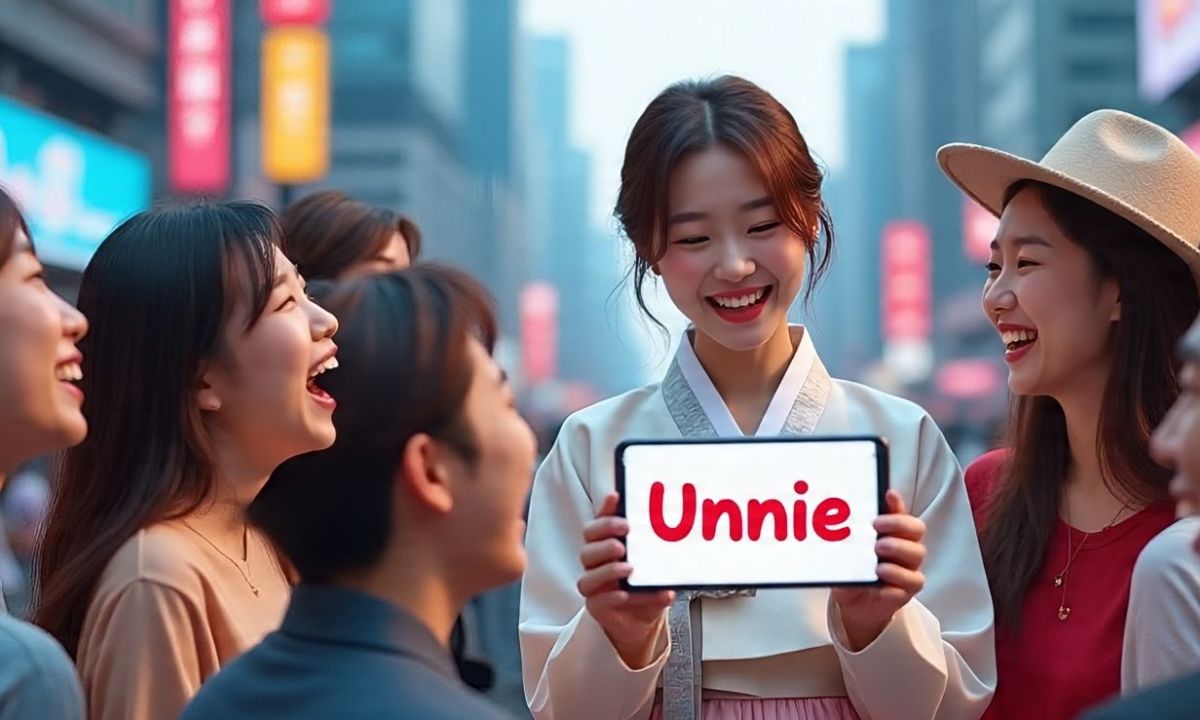
The Korean term “unnie” (언니) is a word that resonates far beyond its literal translation of “older sister.” It’s a cornerstone of Korean social interactions, embodying respect, affection, and the intricate hierarchy that defines relationships in South Korea.
Popularized globally through K-pop, K-dramas, and social media, “unnie” has become a cultural phenomenon, adopted by fans worldwide. This article explores the multifaceted meaning of “unnie,” its cultural roots, its role in modern communication, and its global adoption, offering a comprehensive guide to understanding this beloved term.
Unnie Meaning in Literal Terms
At its core, “unnie” is a Korean word meaning “older sister.” However, its usage is specific: it is used exclusively by females to address or refer to an older female, such as a biological sister, a close friend, or a respected peer. The term is written in Hangul as 언니 and pronounced as uhn-nee (rhyming with “funny”).
Key Characteristics:
- Who Uses It? Only females.
- Who It Refers To: Older females, either family or close acquaintances.
- Context: Informal, intimate settings where respect and closeness coexist.
Example in a Sentence:“Unnie, can you help me choose an outfit for tonight?”
While the literal translation is straightforward, “unnie” carries layers of cultural significance tied to Korea’s social structure. It’s not just a word—it’s a reflection of relationships, hierarchy, and emotional bonds.
Cultural Context: Why Age Hierarchy Matters in Korea
Korean society is deeply rooted in Confucian principles, which emphasize respect for elders and hierarchical relationships. Age is a critical factor in social interactions, influencing language, behavior, and even physical gestures like bowing or seating arrangements.
This age-based hierarchy, known as jeonseung, shapes how Koreans address one another, with specific titles and speech levels determined by relative age or status.
Why “Unnie” Matters
Using “unnie” signals several things:
- Acknowledgment of Age: It recognizes the older female’s seniority, even if the age difference is just a year.
- Closeness and Informality: Unlike formal titles, “unnie” implies a personal, affectionate bond.
- Respect and Role: It positions the older female as someone with experience or wisdom, even in casual settings.
In Korea, it’s common for people to ask each other’s age upon meeting—not out of curiosity, but to establish the appropriate level of formality and address. For example, a younger woman calling an older friend “unnie” shows both respect and familiarity, creating a balance that’s central to Korean social dynamics.
Broader Implications
This hierarchy extends beyond family or friends to workplaces, schools, and even casual encounters. For instance, in a group of female coworkers, the youngest might call her slightly older colleague “unnie” in informal settings, fostering camaraderie while maintaining respect. However, in formal or professional contexts, titles like seonbae (senior) might replace “unnie” to reflect workplace hierarchy.
Cultural Example:At a university club, a freshman might call a junior “unnie” during a casual hangout but switch to “seonbae” during official club activities.
Understanding this context is crucial for grasping why “unnie” is more than just a term—it’s a cultural compass guiding social interactions.
“Unnie” in Texting and Social Media
In the digital age, “unnie” has transcended spoken language to become a staple in texting and social media, particularly on platforms like KakaoTalk, Instagram, and TikTok. Its usage in written form reflects both its cultural roots and its adaptability to modern, expressive communication.
Romanization Variations
Since Korean uses the Hangul alphabet, “unnie” is romanized into English letters for global audiences. Common spellings include:
- Unnie: Most popular, especially in K-pop fandoms, due to its phonetic accuracy.
- Eonni: The official Revised Romanization of Korea, used in academic or formal contexts.
- Unni: A casual, simplified variant seen in fan forums or informal chats.
Examples in Text:
- “Unnie 😍 your new song is fire!!” (Instagram comment to a K-pop idol)
- “Thanks, unnie~ 💖 Let’s grab coffee soon!” (KakaoTalk message between friends)
Emotional Nuances
In online communication, “unnie” is often paired with emojis, tildes (~), or exclamation points to convey emotions like admiration, excitement, or affection. The tone can shift based on context:
- Playful/Cute: “Unnie~~ please teach me your makeup secrets!”
- Respectful: “Eonni, thank you for your advice today.”
- Excited: “UNNIE YOU SLAYED THAT PERFORMANCE!!!”
Global Fan Usage
International K-pop fans frequently use “unnie” in comments or posts about their favorite idols, even if they don’t speak Korean fluently. This reflects a desire to connect with Korean culture and mimic the affectionate tone of native speakers. However, fans are encouraged to use it thoughtfully to avoid seeming inauthentic.
Example from Social Media:A fan tweeting, “Jennie unnie, you’re my inspiration! 🖤💗 #BLACKPINK” shows how “unnie” bridges cultural gaps in fan-idol dynamics.
“Unnie” in K-pop and K-drama Culture
The global rise of K-pop and K-dramas has propelled “unnie” into international vocabulary, making it a hallmark of Hallyu (the Korean Wave). Its prominence in these cultural exports highlights its emotional and relational significance.
In K-pop
Female K-pop fans often use “unnie” to address older female idols, creating a sense of closeness despite the parasocial nature of the relationship. For example:
- A fan might call TWICE’s Nayeon “Nayeon unnie” in a fan letter or social media post, signaling admiration and affection.
- Within girl groups, younger members use “unnie” to address older members, reinforcing group dynamics. For instance, in Red Velvet, Yeri might call Irene “unnie” during variety shows, showcasing their bond.
This usage has made “unnie” a staple in fan culture, symbolizing loyalty and emotional connection to idols.
K-pop Example:A fan comment on YouTube: “Lisa unnie, your dance moves are unreal! 😍 #BLACKPINK”
In K-dramas
In Korean dramas, “unnie” appears in a variety of emotional contexts, from heartwarming to tense:
- Affectionate Moments: A younger sister might say, “Unnie, thank you for always being there,” in a tearful hospital scene.
- Playful or Sassy Exchanges: A character might snap, “Unnie, why do you always take my stuff?” during a sibling argument.
- Jealousy or Rivalry: In romantic plots, a character might say, “Unnie, how do you always get his attention?” with a hint of envy.
These moments highlight the term’s versatility, carrying emotional weight that resonates with viewers worldwide.
K-drama Example:In Crash Landing on You, Se-ri might use “unnie” to address an older female friend in a lighthearted scene, emphasizing their closeness.
The global popularity of K-pop and K-dramas has made “unnie” a recognizable term, encouraging non-Korean fans to adopt it as part of their engagement with Korean culture.
Spelling Variations and Romanization
The lack of a direct Roman alphabet equivalent for Korean leads to variations in how “unnie” is spelled in English. These variations reflect different Romanization systems and user preferences.
Common Spellings:
- Unnie: Dominant in K-pop and social media due to its phonetic simplicity. Widely used by fans and casual learners.
- Eonni: Follows the Revised Romanization of Korean (2000), used in official documents, textbooks, and language courses.
- Unni: A shorter, informal variant popular in fan forums and casual texting.
Why Variations Exist
Korean pronunciation doesn’t perfectly align with English phonetics, so Romanization is an approximation. The choice of spelling often depends on the context:
- Fandoms: “Unnie” is preferred for its accessibility and alignment with spoken pronunciation.
- Academic Settings: “Eonni” is used for accuracy in formal language learning.
- Casual Chats: “Unni” appears in quick, informal exchanges.
Spelling Table:
| Spelling | Common Usage | Notes |
| Unnie | K-pop fandoms, social media | Casual, fan-friendly |
| Eonni | Textbooks, official documents | Formal, standardized |
| Unni | Informal chats, fan forums | Cute, simplified |
All spellings refer to the same Hangul (언니) and are understood in context, but “unnie” is the most globally recognized.
Comparison With Similar Korean Terms
“Unnie” is part of a broader system of Korean honorifics used to address older individuals, each tied to specific gender dynamics and social contexts. Below is a comparison with similar terms:
| Term | Used By | Refers To | Common Context |
| Unnie (언니) | Female | Older female | Friends, siblings, casual settings |
| Oppa (오빠) | Female | Older male | Romantic or friendly bonds |
| Noona (누나) | Male | Older female | Friendly or sibling relationships |
| Hyung (형) | Male | Older male | Brotherhood, informal male bonds |
| Sunbae (선배) | Any | Senior (school/work) | Formal or professional settings |
| Hoobae (후배) | Any | Junior (school/work) | Less common in casual speech |
Key Differences:
- Gender Specificity: “Unnie” is female-to-female, while oppa and noona involve cross-gender dynamics, and hyung is male-to-male.
- Emotional Tone: “Unnie” and oppa often carry affectionate or playful tones, while sunbae is more formal and professional.
- Context: “Unnie” is informal and intimate, unlike sunbae, which is used in hierarchical settings like schools or workplaces.
This system reflects Korea’s nuanced approach to relationships, where language reinforces social roles and emotional connections.
Global Use of “Unnie” and Cultural Adoption
The global spread of Korean culture through K-pop, K-dramas, and influencers has made “unnie” a familiar term worldwide. Non-Korean fans adopt it to express admiration for idols, connect with Korean culture, or simply because it sounds cute and unique.
Why It’s Popular
- Cultural Connection: Using “unnie” signals engagement with Korean traditions, making fans feel closer to their idols or the culture.
- Emotional Appeal: The term’s affectionate tone resonates with fans seeking parasocial bonds with idols.
- Global Accessibility: K-pop and K-dramas have made “unnie” a recognizable part of fan lingo, even for non-Korean speakers.
Examples of Global Use
- Fan Comments: A Brazilian fan might write, “Rosé unnie, you’re my queen! 🖤” on Instagram.
- Fan Events: At K-pop concerts, non-Korean fans might chant “[Idol Name] unnie!” to show support.
- Social Media Trends: Hashtags like #UnnieVibes or #LisaUnnie trend during idol comebacks.
Cultural Appropriation vs. Appreciation
While adopting “unnie” is often a sign of appreciation, misuse can border on appropriation. Non-Koreans should:
- Learn the Context: Understand when and how “unnie” is used to avoid awkwardness.
- Use Respectfully: Avoid using it as a trend or joke, especially in direct interactions with native Koreans.
- Observe Native Usage: Watching K-dramas or variety shows helps grasp the term’s natural rhythm.
Tip for Learners: Subtitled K-dramas (e.g., Vincenzo or Itaewon Class) or K-pop variety shows (e.g., Running Man) are excellent resources for hearing “unnie” in action.
Frequently Asked Questions
Can non-Koreans use “unnie”?
Yes, if female and in informal or fan contexts, but use it with cultural awareness.
Is “unnie” a romantic term?
No, it’s typically platonic; oppa is more likely to carry romantic connotations.
Which spelling of “unnie” is correct?
“Unnie” is most common in casual settings, while “eonni” is formal.
Can men use “unnie” to address women?
No, men use noona to address older females.
How do I learn to use “unnie” naturally?
Watch K-dramas or K-pop content with subtitles to understand its context.
Conclusion
“Unnie” is a cultural gem that encapsulates the essence of Korean social dynamics, blending respect, affection, and hierarchy into a single word. Its journey from intimate Korean conversations to global K-pop fandoms reflects the power of language to bridge cultures. Whether used in a heartfelt K-drama scene or a fan’s enthusiastic tweet, “unnie” carries emotional weight.
Signaling closeness and admiration while honoring Korea’s age-based traditions. For learners and fans, mastering “unnie” is not just about language—it’s about connecting with the heart of Korean culture.